
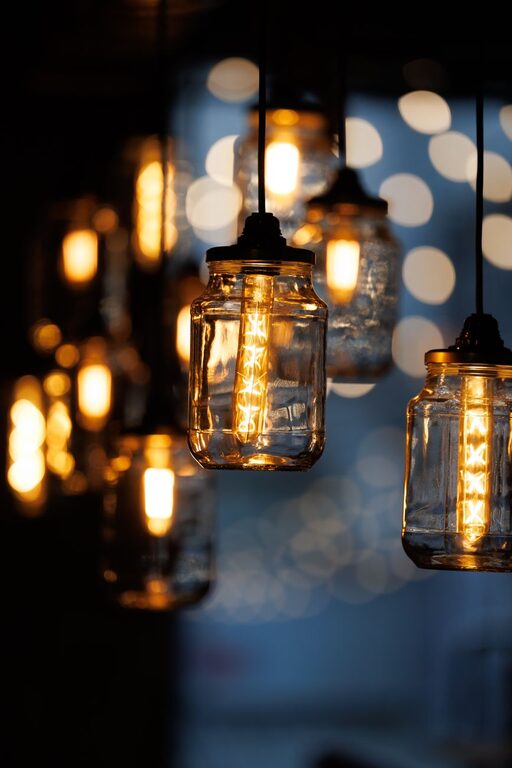
Creating a comfortable atmosphere in your home starts with choosing the right lighting. Good lighting not only illuminates your space but also influences your mood, productivity, and overall well-being. Whether you are redecorating your entire house or just updating a single room, understanding the basics of comfortable home lighting can make a significant difference.
In this guide, we’ll explore practical tips to help you select lighting that brings warmth, clarity, and balance to your home.
Why Comfortable Lighting Matters
Lighting affects how we perceive space and color, impacts our circadian rhythms, and sets the tone for relaxation or activity. Harsh or uneven lighting can cause eye strain and discomfort, while well-planned lighting creates a welcoming and soothing environment.
When choosing lighting, consider:
– The function of each room
– The amount of natural light available
– The style and scale of your furniture and decor
– Your personal preferences for brightness and warmth
Understand Different Types of Lighting
Home lighting is usually divided into three categories, each serving a unique role:
1. Ambient Lighting
This is the main source of light in a room, providing overall illumination. Examples include ceiling fixtures, chandeliers, or recessed lights. Ambient lighting should be soft enough to avoid glare but bright enough to help you move around safely.
2. Task Lighting
Task lighting focuses on specific areas where activities like reading, cooking, or working take place. Desk lamps, under-cabinet lights, and vanity lights are common examples. Task lighting should be bright and direct but adjustable to prevent shadows.
3. Accent Lighting
Accent lighting highlights architectural features, artwork, or decor items. Use spotlights, wall sconces, or LED strips to add depth and visual interest without overpowering the space.
Tips for Choosing Comfortable Home Lighting
1. Consider Color Temperature
Color temperature, measured in Kelvins (K), determines whether light appears warm, neutral, or cool.
– Warm white (2700K – 3000K): Creates a cozy, relaxing atmosphere—ideal for bedrooms and living rooms.
– Neutral white (3500K – 4100K): Offers a balanced feel, good for kitchens and workspaces.
– Cool white (5000K – 6500K): Mimics daylight, useful for detailed tasks but can feel harsh for prolonged exposure.
For comfortable lighting, aim for warmer tones in relaxation areas and neutral or cooler tones where focus and alertness are needed.
2. Use Dimmer Switches
Adding dimmer switches allows you to adjust light intensity based on the time of day, activity, or mood. Dimmers help reduce glare in the evening and save energy during the day. Make sure your bulbs are compatible with dimmers before purchasing.
3. Layer Your Lighting
Combining ambient, task, and accent lighting creates a versatile, well-lit space. For example, in a living room, you might have a ceiling fixture (ambient), floor lamps near seating areas (task), and wall sconces highlighting artwork (accent). This layering adds dimension and comfort.
4. Choose the Right Bulbs
LED bulbs are energy-efficient, long-lasting, and available in various color temperatures. Look for bulbs with a high Color Rendering Index (CRI) of 80 or above to ensure colors appear natural and vibrant. Avoid bulbs with flickering or buzzing to prevent discomfort.
5. Pay Attention to Fixture Placement
Where you place your light sources affects how evenly the room is illuminated.
– Avoid placing bright lights directly in your line of sight.
– Position task lights so they don’t cast shadows on your work area.
– Use reflective surfaces sparingly to prevent excessive glare.
6. Match Lighting to Room Function
Different rooms have unique lighting needs:
– Living Room: Warm ambient lighting with adjustable task lights for reading.
– Kitchen: Bright, neutral task lighting on countertops and stove areas.
– Bedroom: Soft, warm lighting with dimmers for winding down.
– Bathroom: Neutral or cool lighting around mirrors for grooming.
7. Embrace Natural Light
Maximize natural daylight during the day by using sheer curtains and strategic mirror placement. Natural light supports your body’s natural rhythms and reduces dependence on artificial lighting.
8. Mind the Style and Scale of Fixtures
Comfort isn’t just about brightness—it’s also about how fixtures fit your home’s style and proportions. Oversized or harsh-looking lights can create discomfort. Choose fixtures with diffusers or shades that soften light and complement your decor.
Simple Upgrades to Improve Comfort
If replacing all fixtures isn’t feasible right now, small changes can boost lighting comfort:
– Swap out cool-toned bulbs for warm white ones.
– Add a table or floor lamp with a soft shade.
– Use smart bulbs for customizable color and brightness settings.
– Install plug-in dimmers for lamps without built-in switches.
Final Thoughts
Comfortable home lighting combines function, style, and flexibility. By understanding your space and needs, choosing the right bulbs, layering light sources, and using controls like dimmers, you can create a warm and inviting environment that suits every moment of your day.
Remember, lighting is an easy way to improve your home atmosphere without major renovations. Start experimenting with simple changes and enjoy how good lighting transforms your living space.
About the Author