
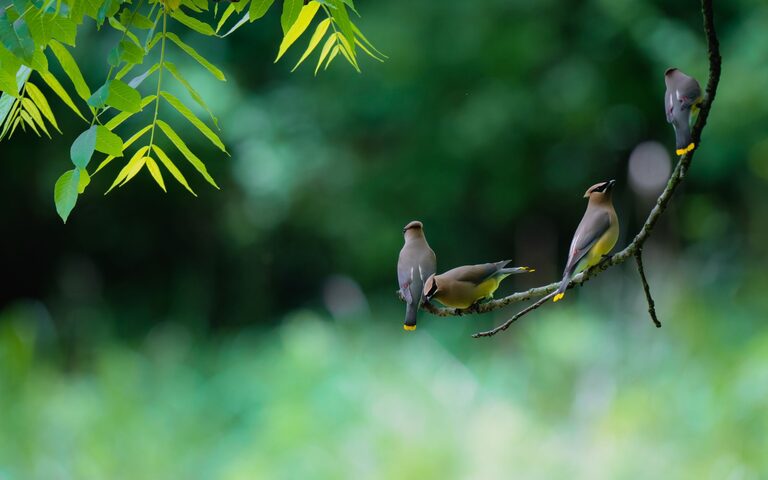
Birdwatching is a rewarding hobby that connects you with nature in a peaceful and enjoyable way. You don’t need to travel far or have special equipment to start; your own backyard can become a wonderful spot for observing a variety of birds. If you’re new to birdwatching, this guide will help you get started with simple, practical tips.
Why Start Birdwatching in Your Backyard?
Birdwatching offers many benefits. It’s relaxing, helps you learn about local wildlife, and encourages spending more time outdoors. Backyard birdwatching is especially convenient because you can observe birds anytime without needing to go far.
Essential Beginner Tips for Backyard Birdwatching
1. Create a Welcoming Habitat
Birds are attracted to spaces where they can find food, water, and shelter. You can make your backyard more bird-friendly by:
– Planting native trees and shrubs for natural cover and food.
– Adding a birdbath or small water feature for drinking and bathing.
– Leaving some leaf litter or mulch for insects that birds love to eat.
– Providing shelter such as brush piles or nesting boxes designed for local bird species.
2. Offer the Right Food
Different birds prefer different foods. To attract a variety of species, consider:
– Using a mix of seeds such as sunflower, millet, and nyjer.
– Providing suet or fat balls during colder months.
– Offering fresh fruit or nectar for specific birds like orioles or hummingbirds.
– Keeping feeders clean and filled regularly to maintain a safe feeding spot.
3. Choose the Right Bird Feeders
There are many types of feeders, each attracting different birds:
– Tube feeders are great for small songbirds like finches and chickadees.
– Hopper feeders work well for larger birds such as cardinals and blue jays.
– Platform feeders attract ground-feeding birds.
– Suet feeders target woodpeckers and nuthatches.
Try different feeders to see which birds visit your yard.
4. Get a Good Pair of Binoculars
While not strictly required, binoculars make birdwatching easier and more enjoyable. Look for lightweight, easy-to-use models with good magnification (around 8x to 10x) and a wide field of view.
5. Learn to Identify Birds
Start by observing common bird species in your area. Use field guides or smartphone apps to help with identification. Pay attention to:
– Size and shape.
– Color patterns.
– Song or calls.
– Behavior, such as feeding style or flight pattern.
Keeping a notebook to jot down your sightings can be a fun way to track your progress.
6. Be Patient and Observe Quietly
Birds can be shy, so it helps to watch quietly and avoid sudden movements. Spend time sitting or standing still near your feeders or favorite bird spots. Early mornings and late afternoons are often the best times to see birds.
7. Avoid Disturbing Nesting Birds
Respect birds’ privacy, especially during breeding season. Keep a safe distance from nests and avoid touching any eggs or chicks you might find.
Additional Tips for Enjoying Backyard Birdwatching
– Join a local birding group or online community. Sharing your experiences can provide motivation and useful advice.
– Use a bird feeder camera if you want to capture photos or videos without disturbing the birds.
– Keep your pets indoors or supervise them during birdwatching to avoid frightening the birds.
– Be mindful of cats and other predators to keep your feathered visitors safe.
Final Thoughts
Backyard birdwatching is a simple, enjoyable activity that anyone can start with minimal effort. By making your yard inviting to birds and learning a bit about their habits, you’ll find yourself connected to the natural world in a new and meaningful way. Grab your binoculars, fill your feeders, and get ready to discover the feathered friends just outside your door!
About the Author