
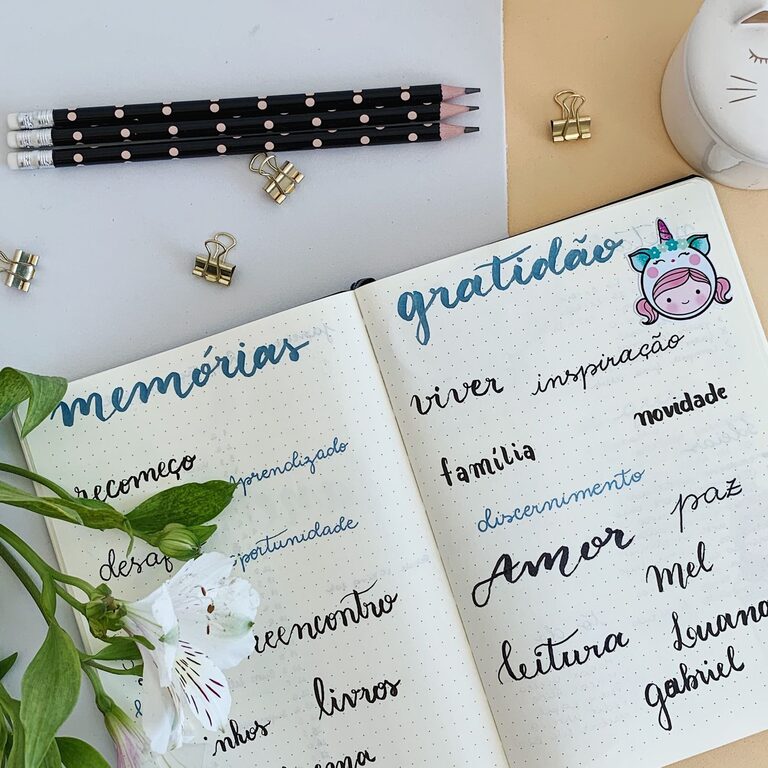
Starting a gratitude journal is a wonderful way to cultivate positivity and improve your overall well-being. By regularly reflecting on the things you appreciate, you can shift your focus away from stress and negativity toward the good in your life. If you’re new to gratitude journaling, this guide will walk you through the simple steps to get started and keep the habit going.
What Is a Gratitude Journal?
A gratitude journal is a personal notebook where you record things you are thankful for each day. It can include anything from simple pleasures to meaningful moments or achievements. The key is to regularly acknowledge and appreciate these positive aspects, which can help improve your mood, reduce stress, and increase resilience.
Benefits of Keeping a Gratitude Journal
Before diving in, it’s helpful to understand why gratitude journaling can be so beneficial:
– Improves mental health: Focusing on gratitude can reduce symptoms of depression and anxiety.
– Boosts happiness: Regularly noting positive experiences fosters a more optimistic outlook.
– Enhances mindfulness: Writing in a journal encourages you to be present and reflective.
– Strengthens relationships: Recognizing the kindness of others can deepen your connections.
– Promotes better sleep: Reflecting on grateful moments before bed can improve sleep quality.
How to Start Your Gratitude Journal
1. Choose Your Journal
Pick a notebook or digital app that feels comfortable and inviting to you. Some prefer a beautifully bound journal to make the experience special, while others enjoy using simple notebooks or phone apps for convenience. The best choice is the one you’ll be motivated to use regularly.
2. Set a Routine
Decide on a consistent time to write in your journal. Many people find it helpful to journal in the morning to start the day positively or at night to reflect on what went well. Creating a routine makes it easier to turn journaling into a lasting habit.
3. Start Small
If you feel overwhelmed, begin by listing just one or two things you’re grateful for each day. It can be as simple as a good cup of coffee, a smile from a stranger, or a moment of calm. The goal is to practice noticing and appreciating positive experiences regularly.
4. Be Specific
Try to be detailed about what you’re grateful for. Instead of writing “I’m thankful for my family,” you might write, “I’m thankful for the laughter I shared with my sister today.” Specificity helps you connect more deeply with each moment.
5. Use Prompts to Inspire You
If you’re unsure what to write about, prompts can help spark ideas. Here are a few to get you started:
– What made you smile today?
– Who is someone you appreciate, and why?
– What’s a challenge you overcame recently?
– What is something beautiful you noticed today?
– Name a simple pleasure you enjoyed.
6. Mix It Up
Keep your journaling interesting by varying your entries. You can write lists, short paragraphs, or even draw or paste pictures that represent your gratitude. Some people like to write letters of thanks they may never send, or record quotes that inspire them.
Tips for Maintaining Your Gratitude Journal Habit
– Keep it accessible: Place your journal somewhere easy to reach to remind you to write.
– Set reminders: Use your phone or calendar to prompt journaling sessions.
– Don’t judge your entries: There’s no right or wrong way to express gratitude. Let your thoughts flow naturally.
– Reflect regularly: Look back at past entries occasionally to see how your perspective has grown.
– Celebrate progress: Acknowledge milestones, like journaling for one week or one month straight.
Common Challenges and How to Overcome Them
Finding Time
Life can get busy, but journaling just 3–5 minutes a day makes a difference. Consider pairing journaling with another habit, like drinking your morning tea, to make it easier.
Feeling Repetitive
It’s normal to worry about running out of things to say. Using prompts and being specific can help you discover new angles. Remember, even repeated themes can deepen your appreciation over time.
Losing Motivation
If you skip a day or two, don’t be discouraged. Gently bring yourself back to the habit instead of giving up. Creating a supportive environment—for example, sharing journaling experiences with a friend—can help maintain motivation.
Final Thoughts
Starting a gratitude journal is a simple yet powerful practice to enhance your happiness and well-being. By dedicating just a few minutes each day to reflect on what you appreciate, you can nurture a more positive mindset and greater resilience. Remember, your gratitude journal is a personal space—make it your own, keep it enjoyable, and watch it transform your outlook over time.
Happy journaling!
About the Author